
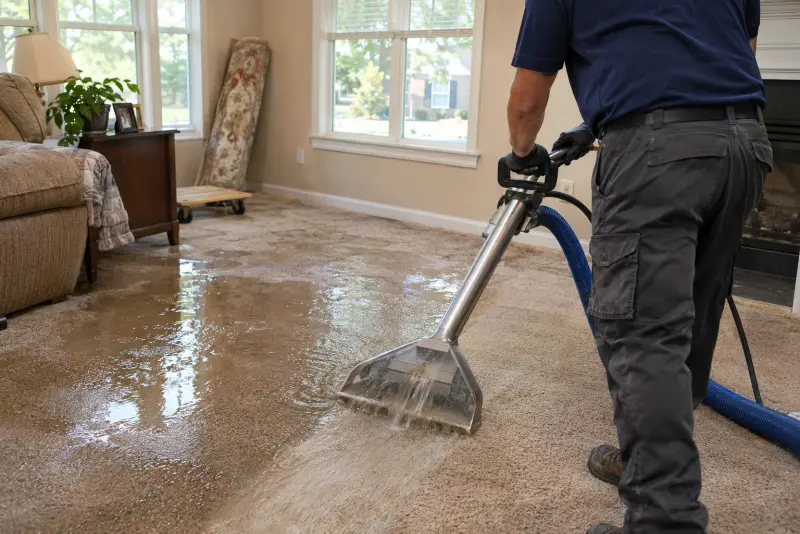
Emergency Water Extraction
Standing water removed before it reaches plaster, trim and stored belongings.
Get help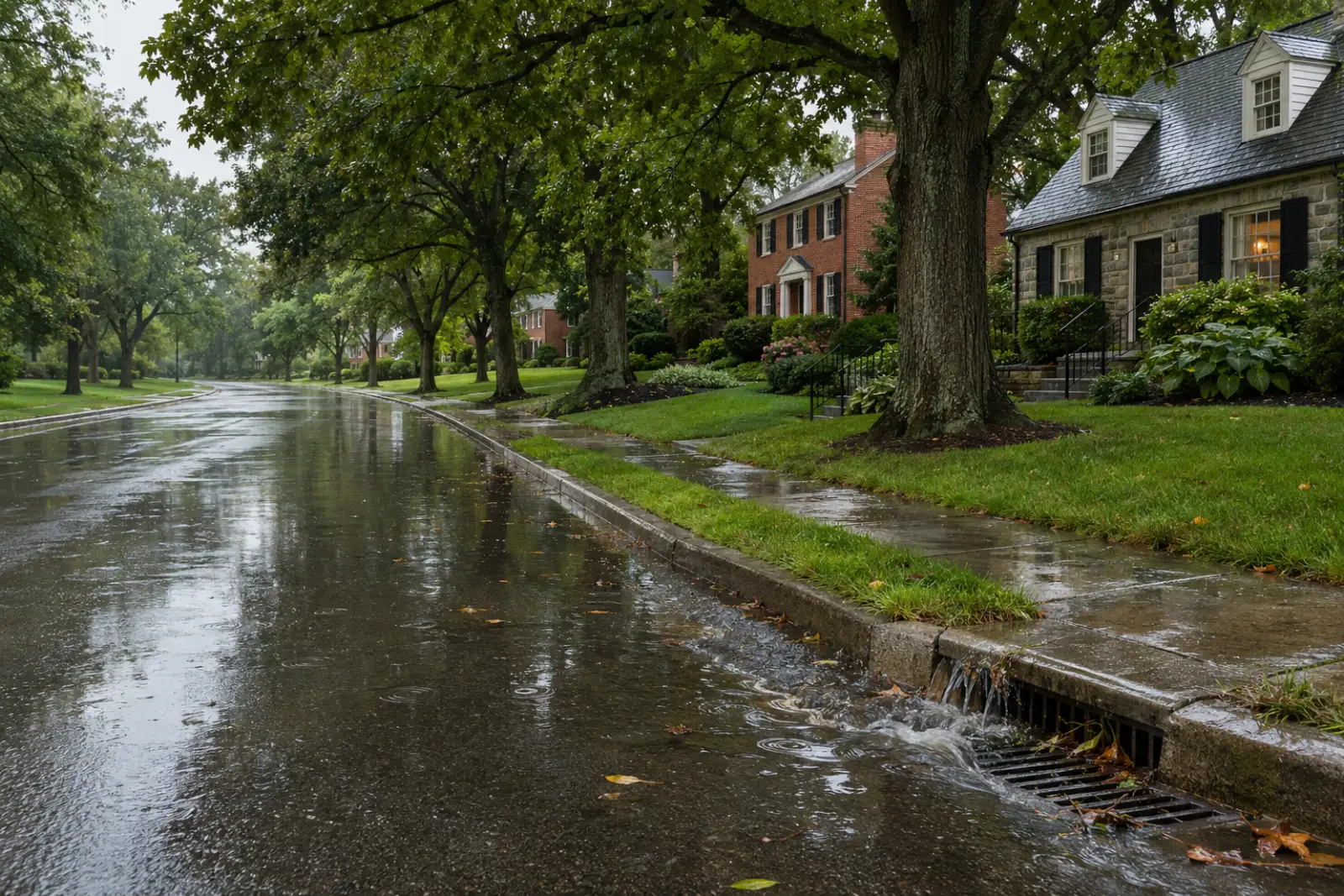
West Mifflin spreads across the hills above the Monongahela, with postwar ranches, older frames and a lot of finished basements.
Call (412) 555-0142 Or see how to reach dispatch. Calls are answered 24/7.West Mifflin covers the high ground south of the river, along Route 51 and the roads that connect Pittsburgh to the Mon Valley. Kennywood and the Century III area are the best-known landmarks, but most calls come from the residential streets between them.
Much of the housing was built after the Second World War: brick and frame ranches, cape cods and split-levels, many with finished basements. Sump pumps do real work here, and a pump that stops during a storm can put inches of water on the floor within hours.
Older sections near the borough lines have frame homes with original plumbing and galvanized lines that have not been touched in decades.
Most West Mifflin calls fall into one of these four groups.
A tripped breaker, a stuck float or a pump that has simply worn out. The failure shows up during the one storm that matters.
Water that gets behind paneling or carpet stays hidden. By the time the smell shows up, the lower wall is saturated.
Tanks near the end of their life leak or fail suddenly. Washing machine hoses and ice maker lines do the same.
Wind and ice dams lift shingles and force water into the attic and down the wall cavity.
Quick action matters most in a finished basement. Wet carpet and pad can often be saved or removed cleanly if the water has not had time to wick up the wall.
The same crew handles extraction, drying, contamination cleanup and the repair.
Standing water removed before it reaches plaster, trim and stored belongings.
Get help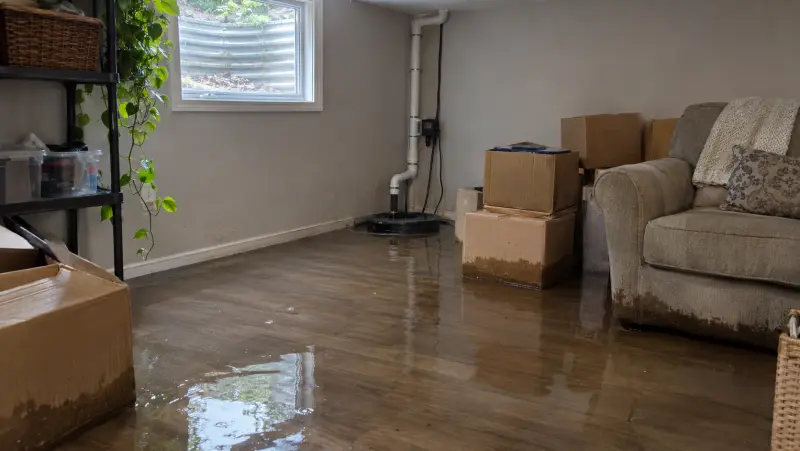
Stone and block basements, hillside seepage and sump failures in older Mon Valley homes.
Get help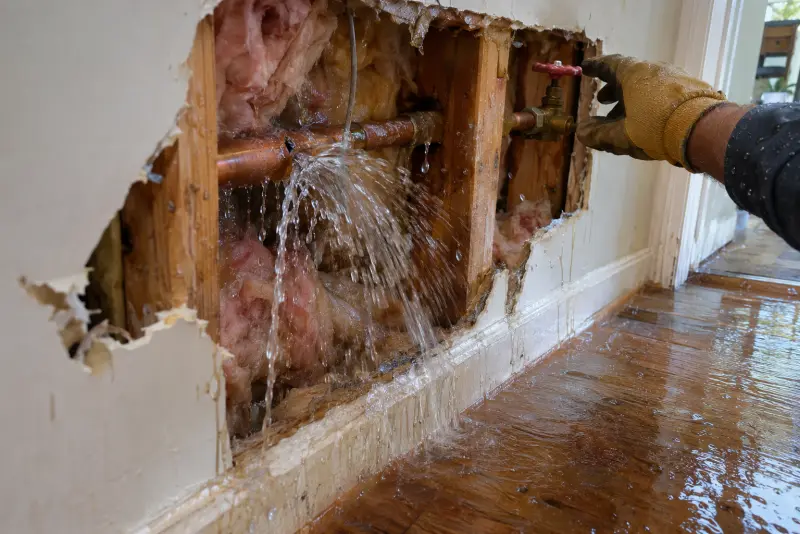
Freeze splits, old galvanized and cast iron failures, and ceiling stains traced to the source.
Get help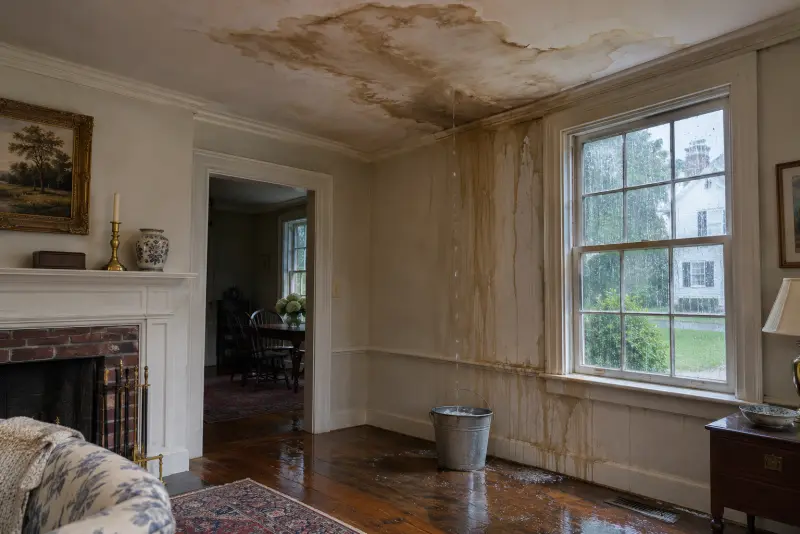
Wind-driven rain, ice dams and ceiling leaks after a storm moves up the river valleys.
Get help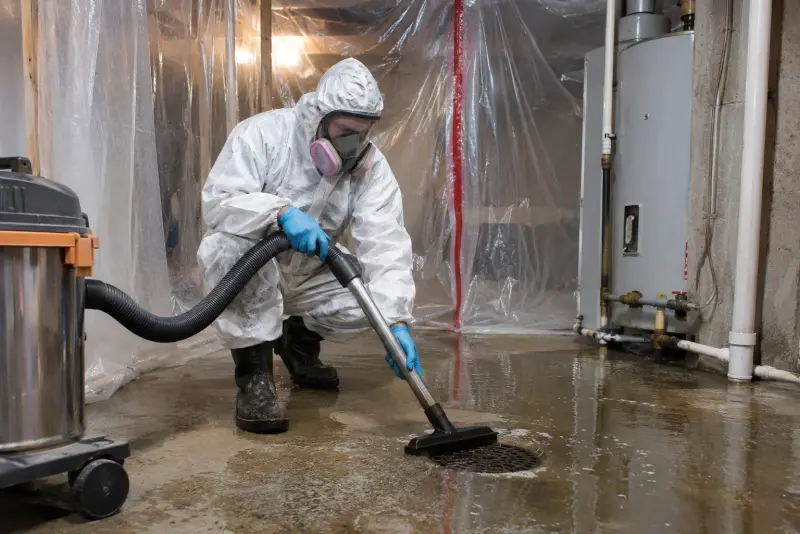
Combined sewer backups handled with containment, PPE and proper disinfection.
Get help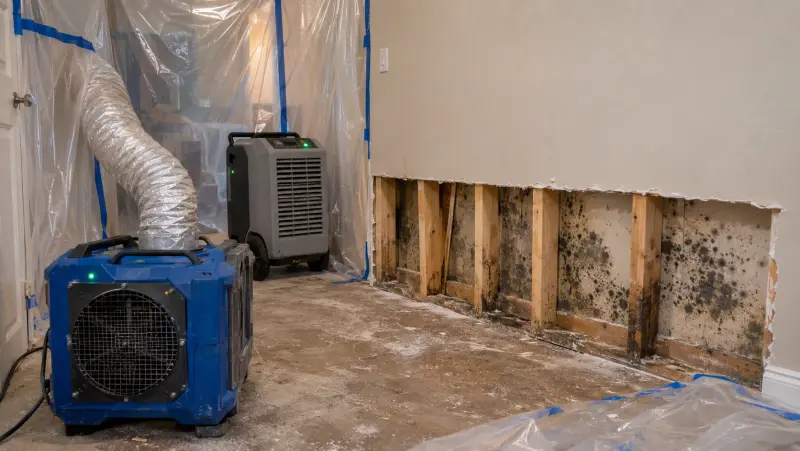
Containment, HEPA filtration and repairs after the structure is dry.
Get helpLocal knowledge matters when the housing stock changes block by block.
15122 · Residential streets with many finished basements. Sump failures and storm seepage.
15122 · Retail and offices. Rooftop units, sprinkler lines and supply breaks.
15122 · Commercial and mixed-use properties. Large roofs and drainage that overflow in heavy rain.
15122 · Older frame homes with original plumbing and plaster walls.
15122 · Streets on the slope toward the river. Runoff against foundations and seepage.
15122 · Homes near the valley. Stream-fed runoff and basement dampness after storms.
These are the signs that usually justify a moisture inspection rather than a wait-and-see approach.
Send a photo or describe what changed. We will tell you whether it needs a visit today.
Call now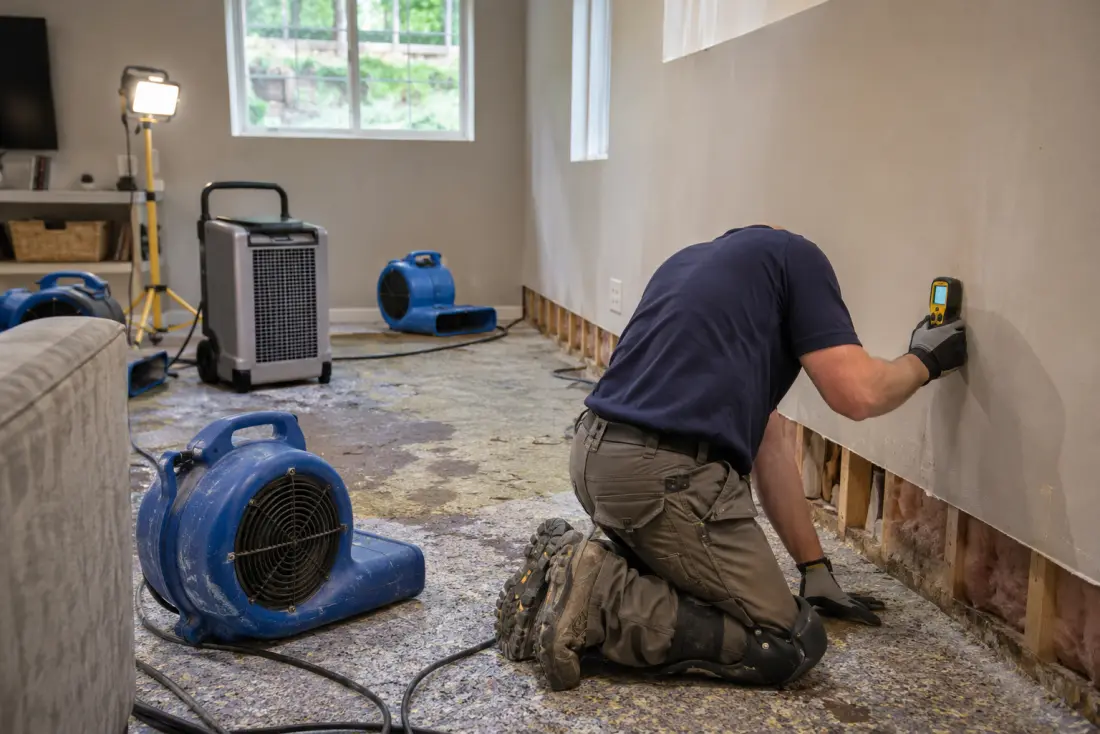
No mystery, no pressure. Here is the sequence from the first call to the final reading.
We confirm the address, the source and whether the water is contaminated. You get safety guidance before the crew leaves.
Moisture meters and thermal imaging map the affected area. We photograph materials and record readings.
Standing water is extracted. Saturated carpet, pad and material that cannot dry in place are removed and documented.
Equipment is sized to the space and checked daily. Drying continues until readings meet the dry standard.
Drywall, trim, flooring and paint are scoped after drying and insurance review.
We reach West Mifflin by Route 51 and the connecting hill roads, with the residential streets, commercial strips and the Kennywood side all within a short drive.
Steep streets and narrow driveways can complicate equipment access, especially in winter. Tell dispatch your street so the crew plans for it.
Use the map link for the general area. For a crew response, call and give the exact address, gate code and any access notes.
Open area mapLocal answers, not a national script.
Turn off power to the affected area if water is near outlets, get photos, and call. We extract the water, remove wet carpet and pad, and start drying before the walls wick moisture.
Sometimes. If the water was clean and the response was quick, we can often dry the structure and remove only the wet lower section. We tell you what we find before we cut.
Yes. We coordinate with owners and property managers, work around business hours and document losses for the insurance claim.
Request service
Call for active water, estimates, scheduling and questions. If water is near outlets, a panel or a gas appliance, leave the area and call from a safe place.
One call gets you shutoff guidance, an arrival window and a plan for West Mifflin. Have your address and any insurance claim number ready.
Call (412) 555-0142Tap to call from your phone.
Call now. We will tell you what to shut off, what to move and what to leave alone until the crew arrives.
Call (412) 555-0142