
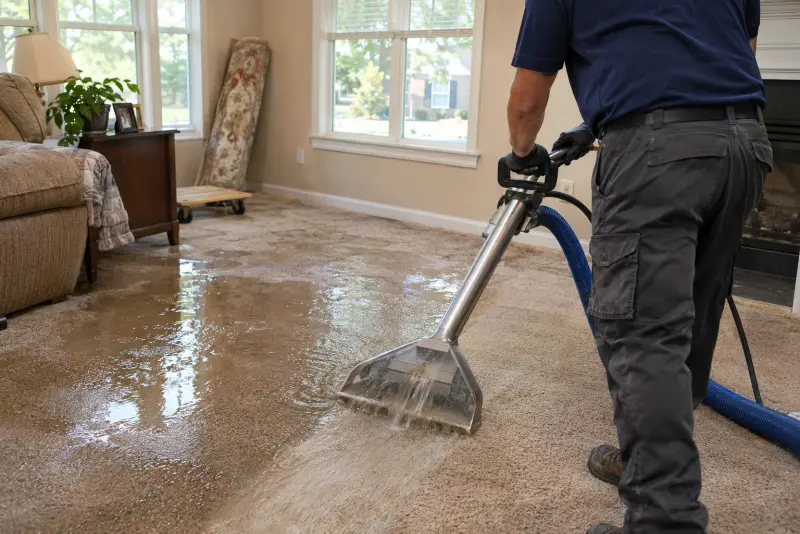
Emergency Water Extraction
Standing water removed before it reaches plaster, trim and stored belongings.
Get help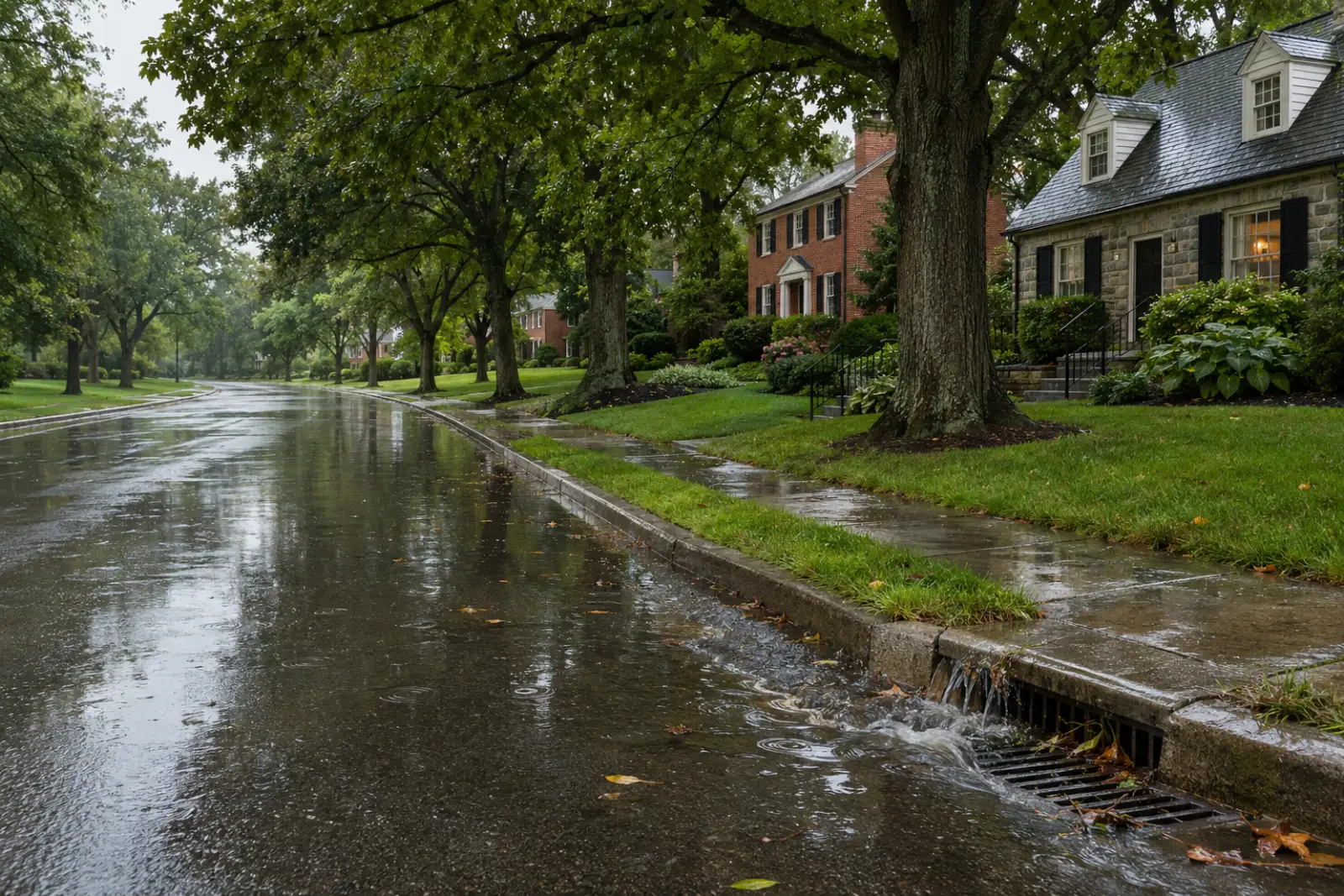
Elizabeth combines a historic river borough with a large rural township, so homes range from tight village blocks to acreage on septic.
Call (412) 555-0142 Or see how to reach dispatch. Calls are answered 24/7.Elizabeth sits south of McKeesport on the Monongahela, with a small historic borough on the river and a much larger township climbing the hills behind it. Village homes are older frames and brick, while the township mixes ranches, newer houses and rural properties.
Borough homes face river-town problems: damp basements, aging plumbing and plaster ceilings. Township homes outside the sewer lines often run on wells and septic, so a failing system can mean a category 3 backup rather than a clean leak.
Open hills and long driveways also mean wind exposure, and a storm that tears shingles can let water in for hours before anyone notices.
Four failures account for most of our work in Elizabeth.
A septic backup or well-line break is not a clean-water event. Septic water is contaminated and needs containment and disinfection.
Basements near the Monongahela stay damp and take on water after long rain, and a stone wall dries slowly.
Rural homes often have long lines through crawlspaces and outbuildings. A break can run for hours before anyone sees it.
Exposed ridge homes lose shingles in storms, and water follows the framing into the ceiling below.
In a mixed borough and township area, the first question is where the water came from. A clean supply break and a septic backup need very different responses.
The same crew handles extraction, drying, contamination cleanup and the repair.
Standing water removed before it reaches plaster, trim and stored belongings.
Get help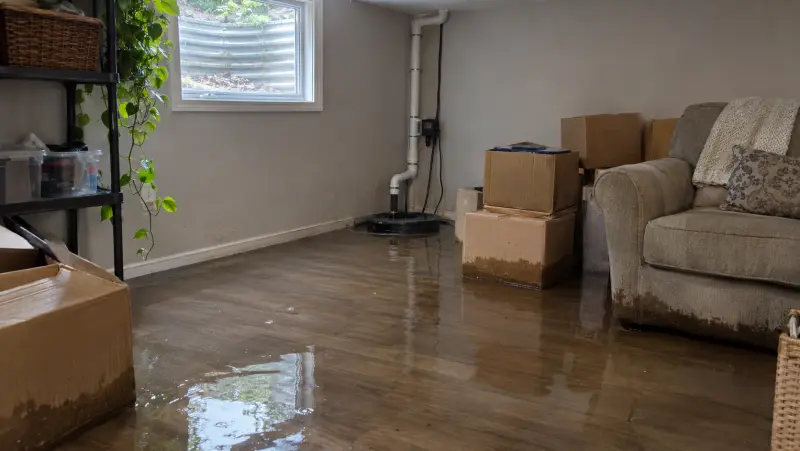
Stone and block basements, hillside seepage and sump failures in older Mon Valley homes.
Get help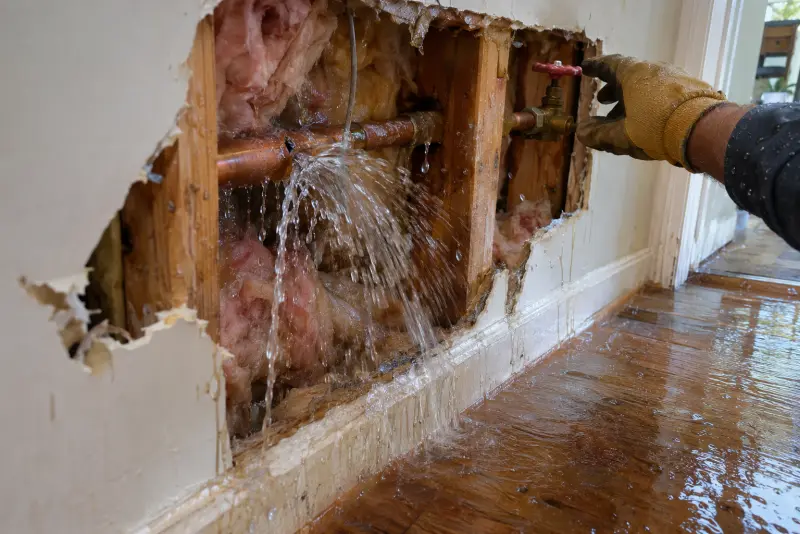
Freeze splits, old galvanized and cast iron failures, and ceiling stains traced to the source.
Get help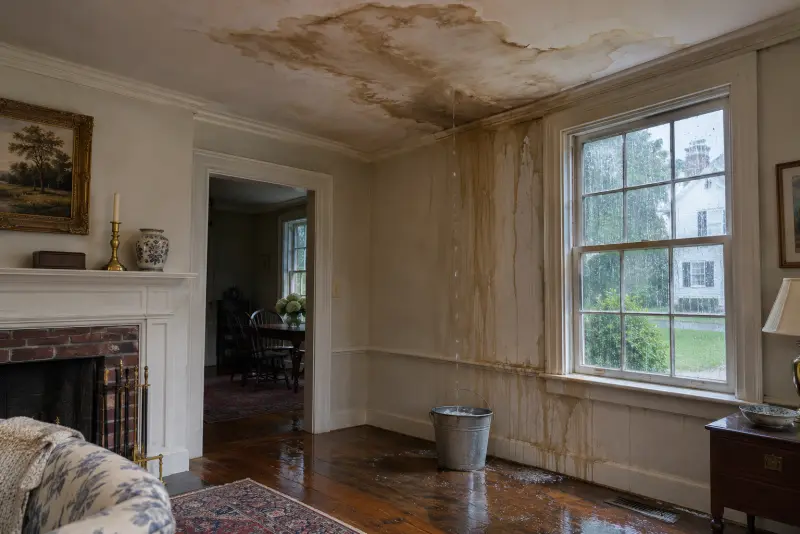
Wind-driven rain, ice dams and ceiling leaks after a storm moves up the river valleys.
Get help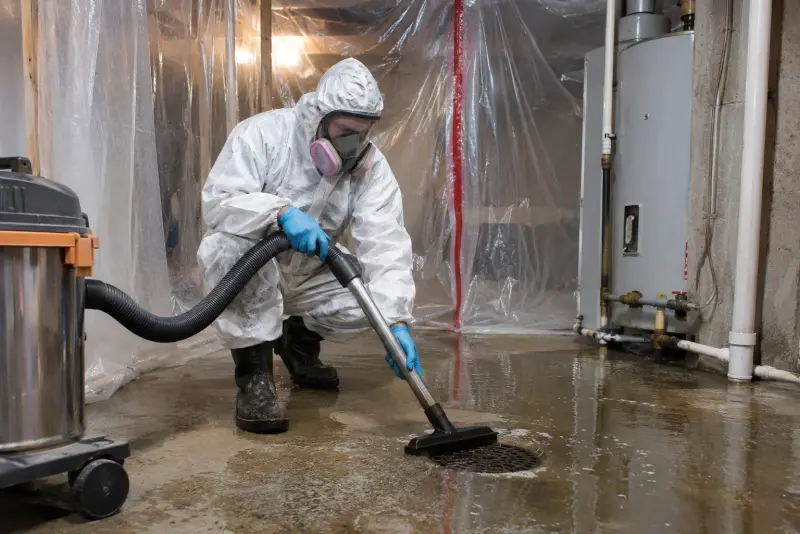
Combined sewer backups handled with containment, PPE and proper disinfection.
Get help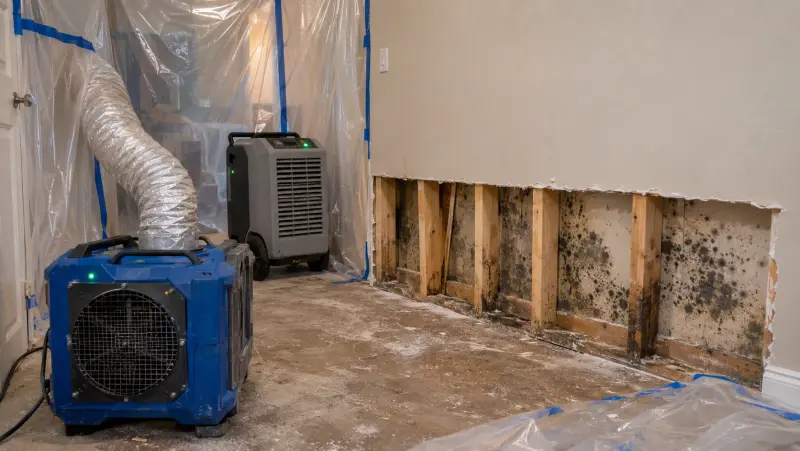
Containment, HEPA filtration and repairs after the structure is dry.
Get helpLocal knowledge matters when the housing stock changes block by block.
15037 · Historic river village. Older plumbing, plaster ceilings and damp basements.
15037 · Low ground along the Monongahela. High water tables and seepage.
15037 · Homes on the slope near the park. Runoff and roof leaks.
15037 · Larger lots and rural properties. Wells, septic systems and long supply runs.
15037 · Older township homes toward the river. Stone basements and seasonal dampness.
15037 · Retail and offices. Roof leaks and supply breaks.
These are the signs that usually justify a moisture inspection rather than a wait-and-see approach.
Send a photo or describe what changed. We will tell you whether it needs a visit today.
Call now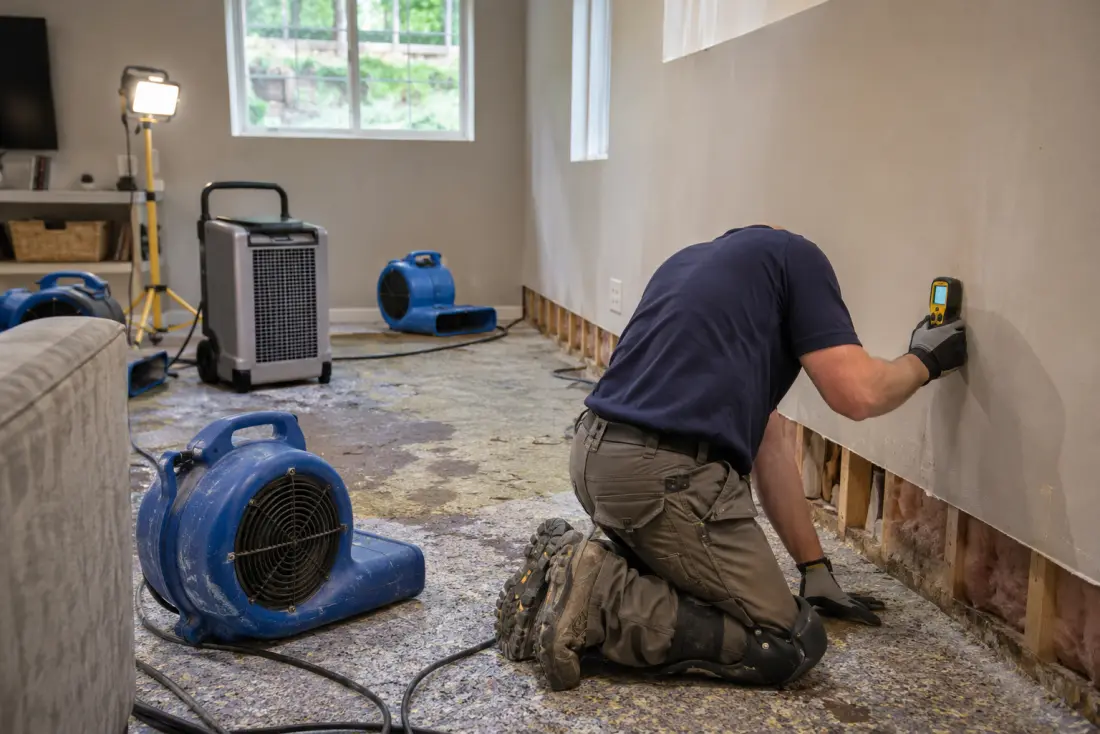
No mystery, no pressure. Here is the sequence from the first call to the final reading.
We confirm the address, the source and whether the water is contaminated. You get safety guidance before the crew leaves.
Moisture meters and thermal imaging map the affected area. We photograph materials and record readings.
Standing water is extracted. Saturated carpet, pad and material that cannot dry in place are removed and documented.
Equipment is sized to the space and checked daily. Drying continues until readings meet the dry standard.
Drywall, trim, flooring and paint are scoped after drying and insurance review.
We reach Elizabeth by Route 51 and the river road from McKeesport, with the borough, the riverfront and the township roads all within reach.
Rural roads and long driveways can add drive time and complicate access. Tell dispatch your address and any gate or road limits before the crew leaves.
Use the map link for the general area. For a crew response, call and give the exact address, gate code and any access notes.
Open area mapLocal answers, not a national script.
Yes. Septic water is category 3. We contain the area, remove porous materials that contacted it, disinfect and verify dryness. A septic contractor handles the tank and system itself.
We serve Elizabeth Township and the surrounding hills. Drive time varies by location, and dispatch gives you a realistic arrival window.
Yes. Stone dries slowly, so we use dehumidification and airflow and monitor it daily until it meets a dry standard.
Request service
Call for active water, estimates, scheduling and questions. If water is near outlets, a panel or a gas appliance, leave the area and call from a safe place.
One call gets you shutoff guidance, an arrival window and a plan for Elizabeth. Have your address and any insurance claim number ready.
Call (412) 555-0142Tap to call from your phone.
Call now. We will tell you what to shut off, what to move and what to leave alone until the crew arrives.
Call (412) 555-0142